Corporate events are no longer just logistical gatherings — they are strategic brand statements. Every annual celebration, conference, or product launch is an opportunity to communicate who you are as an organization. When thoughtfully planned, a corporate event becomes a living expression of your brand identity.
So how do you plan a corporate event that genuinely reflects your brand?
Let’s break it down.
1. Start with Your Core Brand Values
Before selecting venues, themes, or décor, revisit your brand fundamentals:
What does your company stand for?
Is your tone formal, innovative, bold, people-first, tech-driven?
How do you want stakeholders to feel after attending?
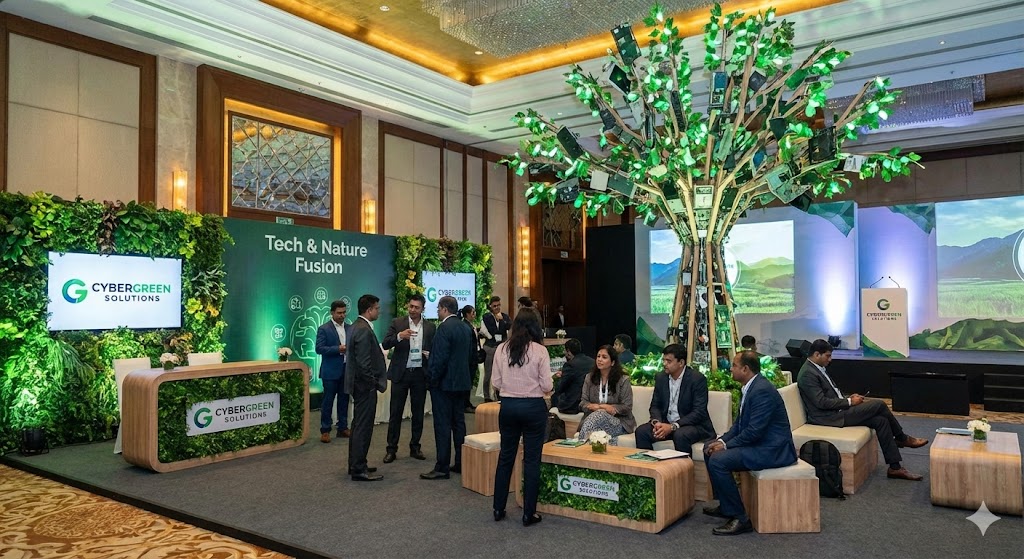
For example, a technology-driven company may focus on sleek staging, immersive digital experiences, and modern aesthetics. A heritage-focused brand might incorporate storytelling, cultural elements, and elegant décor.
The event should not feel disconnected from your brand personality — it should amplify it.
2. Align the Event Objective with Brand Messaging
Every corporate event must answer a key question:
Why are we hosting this?
Is it:
To celebrate employee achievements?
To launch a new product?
To strengthen client relationships?
To align leadership and teams?
Once the objective is defined, align your messaging, content, and experience accordingly. A leadership summit may focus on strategic clarity and executive presence. A team-building offsite might emphasize collaboration and engagement.
Clarity in purpose ensures consistency in execution.
3. Design a Cohesive Visual Identity
Visual consistency plays a powerful role in reinforcing brand identity.
This includes:
Consistency builds familiarity. And familiarity builds trust.
When attendees walk into your event space, they should instantly recognize your brand — not just through logos, but through design language and atmosphere.
4. Curate the Right Experience
Brand identity is not just visual — it is experiential.
Consider:
A fast-growing startup may prefer dynamic, energetic engagement formats. A multinational corporation may opt for structured agendas and formal networking.
The experience should mirror your organizational culture.
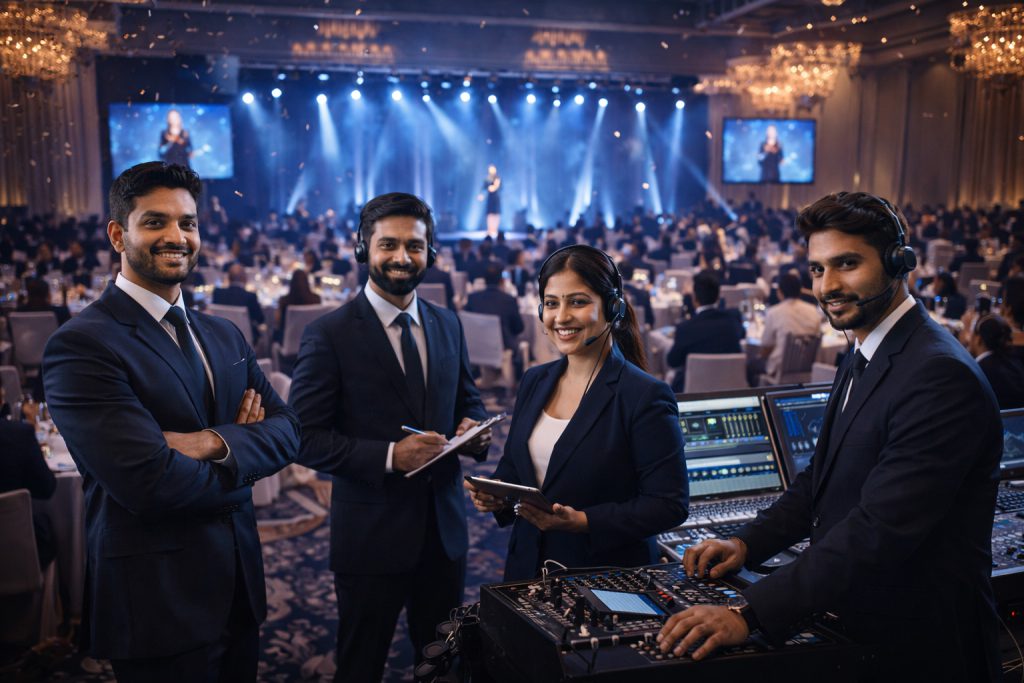
5. Maintain Professional Precision
Even the most beautifully designed event can damage brand perception if execution falters.
Professional event planning includes:
Flawless execution communicates reliability — and reliability strengthens brand credibility.
6. Measure the Impact
Post-event evaluation is crucial.
Gather:
This ensures future events continue to align with brand positioning while improving in impact.
Final Thoughts
A corporate event should never feel generic. It should feel intentional.
When planned strategically, it becomes more than an event — it becomes a brand experience. From design and messaging to execution and engagement, every detail contributes to how your organization is perceived.
If your brand deserves to stand out, your event should too.